5 Things Coaches Should Know About Teen Anxiety
Featured expert: Jon Hershfield
Teen athletes are asked to do a lot. They practice hard, compete under pressure, manage school and social expectations, and often feel that their performance says something important about who they are.
So if a young athlete feels nervous before a game, tense before a tryout, or stuck replaying a mistake, that doesn’t mean something is wrong with them. Anxiety is part of being human. It’s also part of competing.
For coaches, the goal isn’t to eliminate anxiety. The goal is to help athletes notice anxiety, understand it, and respond in ways that keep them engaged in the moment. Sports offer a powerful place to practice that skill, because athletes get repeated chances to face pressure, recover from mistakes, and keep going.
1. Some anxiety is healthy and normal
Feeling nervous before a game, tryout, or big competition isn’t unusual. In fact, some anxiety can sharpen focus. It can tell an athlete, “This matters to me.”
Coaches can help by normalizing pre-game nerves and shifting the focus away from “How do I get rid of this feeling?” and toward “How do I compete while this feeling is here?”
Try saying:
- “It’s okay to be nervous.”
- “This means the moment matters.”
- “Most athletes feel this way before something important.”
Avoid saying:
- “Don’t be nervous.”
- “Just relax.”
Why it matters: </n\b>Anxiety itself isn’t always the problem. The bigger issue is how an athlete responds to anxiety when it shows up.
2. Adolescence is the right time to build regulation skills
Teen years are full of emotional intensity. That can be challenging, but it also makes adolescence an ideal time to learn emotional regulation. Athletics give young people regular practice with pressure, frustration, disappointment, and recovery.
When coaches teach athletes how to pause, breathe, refocus, and return to the next play, they are teaching more than sports performance. They are teaching a life skill.
Skills young athletes can practice include:
- Deep, controlled breathing
- Positive and realistic self-talk
- Grounding techniques
- Refocusing on the next play
Why it matters: Coaching emotional recovery is just as important as coaching physical recovery.
3. Avoidance makes anxiety harder to manage
Anxiety often asks for avoidance: Skip the tryout. Sit out the drill. Avoid the competition. Pass on leadership. Quit after a mistake.
Avoidance may lower anxiety in the short term, but it often makes anxiety stronger over time. The athlete learns, “I can only feel okay if I stay away from the hard thing.” Confidence develops when they discover they can feel anxious and still take the next step.
That does not mean pushing a teen athlete into situations they are not ready for. It means helping them approach challenges gradually, with support, clarity, and a focus on effort rather than perfection.
Try saying:
- “You can do hard things.”
- “Courage first, confidence second.”
- “Let’s focus on the next step, not the whole mountain.”
Why it matters: Confidence grows from facing challenges, not avoiding them.
4. Self-compassion is not softness
Many athletes believe they have to be harsh with themselves to get better. But constant self-criticism can increase anxiety and make it harder to recover after a mistake.
Self-compassion is not letting yourself off the hook. It is staying engaged without adding shame to the moment. A coach can help an athlete move from judgment to curiosity.
Instead of: “I’m terrible.” Try: “What can I learn from this?”
That small shift matters. Athletes perform better when they can recover, adapt, and keep moving forward.
Why it matters: The goal is not to protect athletes from mistakes. The goal is to help them respond to mistakes in ways that build resilience.
5. Mindfulness keeps athletes present
Anxiety is often about time travel. It pulls attention into the future: What if I miss? What if I let everyone down? What if I cannot handle this? It can also drag attention into the past: Why did I make that mistake?
Mindfulness helps athletes come back to what is happening now. It doesn’t require them to clear their minds or feel calm on command. It asks them to notice what is happening, name it, and return attention to the next useful action.
Simple mindfulness skills include:
- Paced breathing
- Brief body scans
- Grounding through the senses
- Focusing on the next play instead of the last mistake or next outcome
Why it matters: Staying present can support both athletic performance and emotional well-being.
When should a coach encourage more support?
Coaches play an important role, but they aren’t expected to be therapists. Encourage a parent, caregiver, school counselor, athletic trainer, or mental health professional to get involved if anxiety is interfering with daily life, school, relationships, sleep, or a young athlete’s ability to participate in things they value.
Most of all, remember that anxiety doesn’t have to be treated like an enemy. It can be understood as a signal, and athletes can learn to respond to that signal with skill. With steady support, young athletes can practice the same thing they practice in sports every day: showing up, making adjustments, and taking the next play.
-
Scott Aaronson, MD
Chief Science Officer, Institute for Advanced Diagnostics and TherapeuticsSpecialties:Adult Psychiatry, Biological Psychiatry, Depression, Medication Management, Mood Disorders, Psychopharmacology, Transcranial Magnetic Stimulation (TMS), Treatment-resistant Depression -
Michael (Mike) Abbatiello, MPPM, FACHE
Operations Executive -
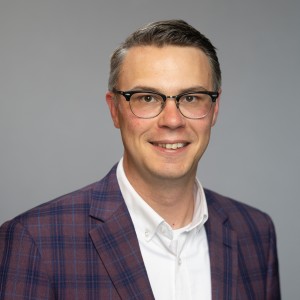
Nicolas Abdallah
Provider Relations Representative -
Francis Achanyileke, RN, BSN, APN, MSN, PMHNP-BC
Psychiatric Mental Health Nurse Practitioner, Child & Adolescent Day Hospital -

Tammy Acker, PMH-NP
Psychiatric Nurse Practitioner, Community ServicesSpecialties:Psychotic Disorders -

Jennifer Addis, NP
Psychiatric Nurse Practitioner -
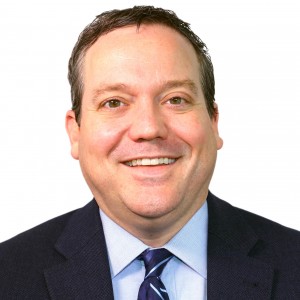
Jason Addison, MD
Service Chief, Adult Crisis Stabilization UnitSpecialties:LGBTQ+ Mental Health Issues, Mood Disorders, Schizophrenia, Substance Use Disorder -
Olufunmilayo E. Adeloye
Psychiatric Mental Health Nurse Practitioner -
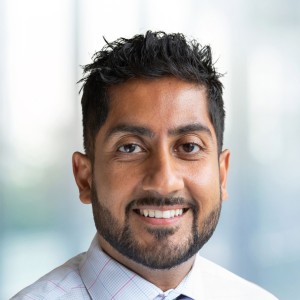
Mohammed Akbar, MD
Service Chief of Emergency Psychiatry, GBMCSpecialties:Acute Mental Health, Adult Psychiatry, Attention Deficit Hyperactivity Disorder (ADHD), Psychotic Disorders -
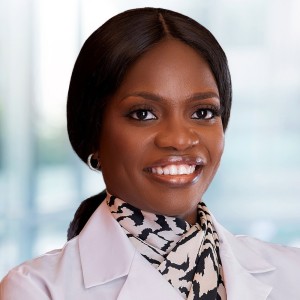
Adefolake Akinsanya, MD
Service Chief, Adolescent Female UnitSpecialties:Child and Adolescent Psychiatry -
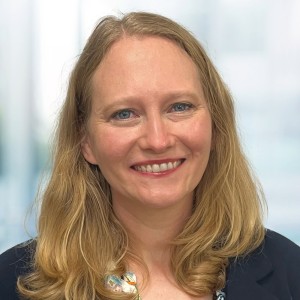
Stefanie Alexander, MD, PhD
PsychiatristSpecialties:Electroconvulsive Therapy (ECT) -
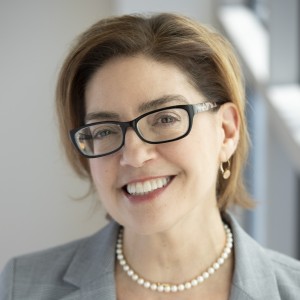
Alisa Brandes, MHSA
Executive Director at GBMC - A Sheppard Pratt Solutions Client -
Daliris Amaya-Rivera, LCPC-S
Clinical SupervisorSpecialties:Trauma Disorders, Cognitive Behavioral Therapy -
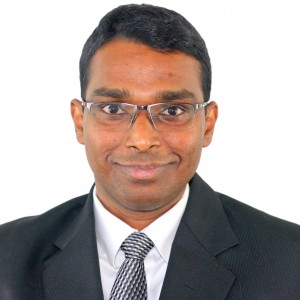
Ameya Amritwar, MBBS, MD
Adult Psychiatrist; Associate Service Chief - ECTSpecialties:Addiction Medicine, Biological Psychiatry, Electroconvulsive Therapy (ECT), LGBTQ+ Mental Health Issues, Neuroimaging -

Lauren A. Anderson, LCMFT, NCC
Family Therapist, The Retreat by Sheppard PrattSpecialties:Anxiety Disorders, Psychotherapy, Trauma Disorders -
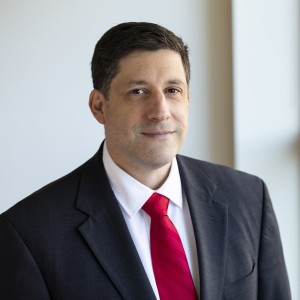
Antonio DePaolo, PhD
Chief Transformation Officer -
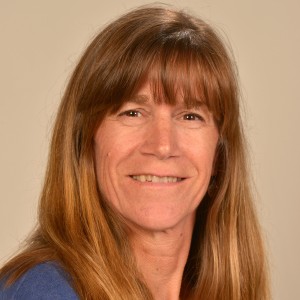
Dina Armeni, RN
Nurse, The Retreat by Sheppard Pratt -

Meaghan Auchincloss, LCSW-C
Child & Family Therapist, Linkages to LearningSpecialties:Anxiety Disorders, Attention Deficit Hyperactivity Disorder (ADHD), Cognitive Behavioral Therapy, Depression, Motivational Interviewing, Psychotherapy, School Mental Health Services, Suicide Prevention, Suicide Risk Assessment, Trauma Disorders -
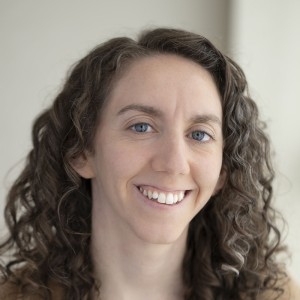
Laura Avigan, MD
PsychiatristSpecialties:Adult Psychiatry, Cultural Psychiatry, Psychodynamic Psychotherapy, Psychotherapy -

Reena Baharani, MD
Consultation-Liaison PsychiatristSpecialties:Anxiety Disorders, Consultation-Liaison Psychiatry, Dementia, Depression, Neuropsychiatry -

Naveed Bajwa, PMHNP-BC
Psychiatric Nurse Practitioner -

Tim Bayer, RN
Nurse, The Retreat by Sheppard Pratt -

Erika Bekar
PA Practice Manager -
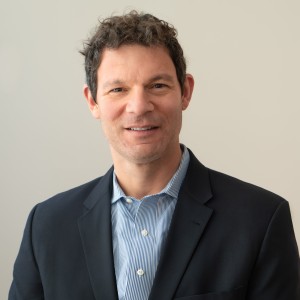
David Bendor, PsyD
Advisor -

Emily Berich-Anastasio, MPH, LCPC
Counselor, Hospital Outpatient Clinic and The Center for Autism -
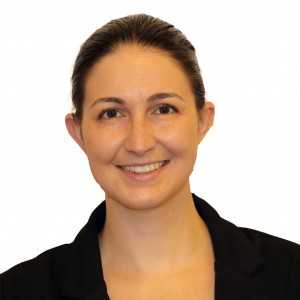
Jenna Bernstein, MSW, LCSW
Assistant Director of Social Work -

Beth Gylan, MSN, RN-BC, PMH-BC
Program Manager, The Retreat -
Devi Bhuyan, PsyD
Director of Clinical Psychology -

Rebecca Billerio-Riff, LCSW-C
Therapist, The Center for OCD and AnxietySpecialties:Obsessive-Compulsive Disorder (OCD), Anxiety Disorders, Cognitive Behavioral Therapy -
Heather Billings, MSN, RN
Clinical Education -
Charlotte Boston, MA, ATR-BC, LCPAT
Art Therapist, The Retreat by Sheppard Pratt -
Paula Bostwick, RN, MSN, CENP
Vice President and Chief Nursing Officer -
Greg Bowers
Executive Director at St. Mary's Health System - A Sheppard Pratt Solutions Client -
Nancy Bowling, RN
Nurse, The Retreat at Sheppard Pratt -
Brian Brady, CRNP-PMH
Nurse Practitioner at Chesapeake Connections -
Phil Bronson, RN
Nurse, The Retreat by Sheppard Pratt -
Curtis Brown, RN, BSN, CNML
Executive Director at Beverly Hospital - A Sheppard Pratt Solutions Client -
Heather Brownson, RN
Nurse, The Retreat by Sheppard Pratt -
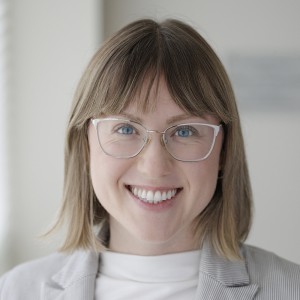
Olivia Bucciarelli, MHA
Administrative Fellow '26-'27 -
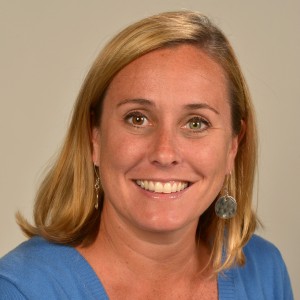
Kathleen Burke, RN
Nurse, The Retreat by Sheppard Pratt -
Michael Cannon, MD
PsychiatristSpecialties:Adult Psychiatry, Psychopharmacology -
Jennifer Carberry, LCSW-C
Division Director, Clinical ProgramsSpecialties:Cognitive Behavioral Therapy, Severe Mental Illness, Substance Use Disorder -
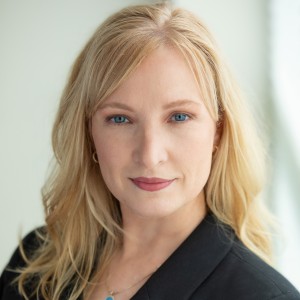
Trish Carlson, MD
PsychiatristSpecialties:Adult Psychiatry, Anxiety Disorders, Dialectical Behavior Therapy (DBT), Eating Disorders, LGBTQ+ Mental Health Issues, Mood Disorders, Transcranial Magnetic Stimulation (TMS), Transference-focused Psychotherapy, Treatment-resistant Depression -
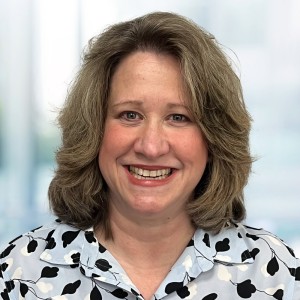
Sharon Carroll, MSN, PMHNP-BC
Psychiatric Nurse PractitionerSpecialties:Adult Psychiatry -

Matthew P. Casey, LCSW-C
Social Worker -
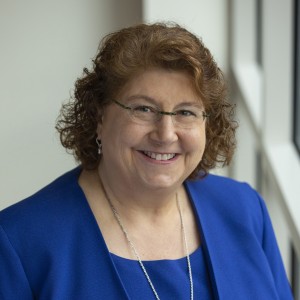
Marina Cecchini, MPA
Executive Director / Senior Vice President at WakeMed - A Sheppard Pratt Solutions Client -
Sara Chappelear, LCSW-C
Behavioral Health Consultant -
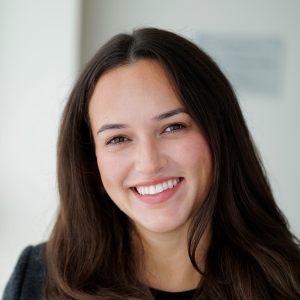
Sonya Chistov, MD
Psychiatrist -
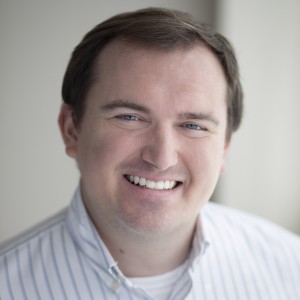
Daniel Chrzanowski, MD
PsychiatristSpecialties:Post-traumatic Stress Disorder (PTSD), Bipolar Disorder, Major Depressive Disorder, Substance Use Disorder, Intellectual Disabilities, Developmental Disabilities -
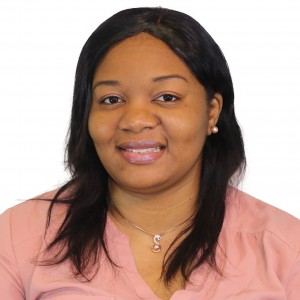
Ubachi Chukwuzubelu, MSN, APRN, PMHNP-BC
Psychiatric Nurse Practitioner, Neuropsychiatry Program -
Chuck Clark, MBA
Project Executive -
Ilana Cohen, MD
Psychiatrist, The Retreat by Sheppard PrattSpecialties:Adult Psychiatry, Anxiety Disorders, Attention Deficit Hyperactivity Disorder (ADHD), Bipolar Disorder, Electroconvulsive Therapy (ECT), Major Depressive Disorder, Mood Disorders, Obsessive-Compulsive Disorder (OCD), Psychopharmacology, Transcranial Magnetic Stimulation (TMS) -
Gerardo I. Collazo Malavé
Forensic and Child & Adolescent PsychiatristSpecialties:Child and Adolescent Psychiatry, Forensic Psychiatry, Substance Use Disorder -
Thomas Colligan, LCSW-C
Psychotherapist and Clinical Supervisor, Outpatient Mental Health Center - FrederickSpecialties:Severe Mental Illness -
Armando Colombo
Executive Vice President and Chief Operating Officer -
Michael Comas, LCSW-C
Mental Health Therapist, Outpatient Mental Health Center - Frederick -
Mark Combs, MBA, CHCIO, CDH-E
Chief Information Officer -
Talila Cook, RN
Nurse, The Retreat at Sheppard Pratt -
Jennifer Coyne, JD
General Counsel -

Annie Crockett, OTR/L
Occupational Therapist, The Retreat by Sheppard Pratt -
Deborah (Debbie) Cunningham, DNP
Executive Director / Vice President at Main Line Health - A Sheppard Pratt Solutions Client -
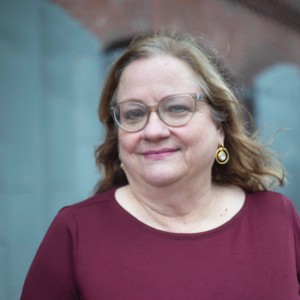
Joan D'Adamo, LCSW-C
Family Therapist, The Retreat by Sheppard PrattSpecialties:Anxiety Disorders, Depression, Eating Disorders, Personality Disorders, Post-traumatic Stress Disorder (PTSD) -
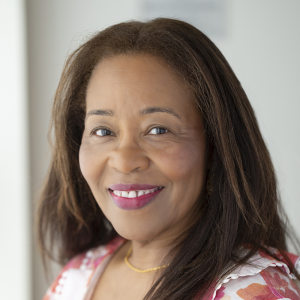
Myrlande Daguindeau-Guiteau, PMHNP-BC
Psychiatric Nurse Practitioner -

Danielle Daines, LCSW-C
Therapist, Multisystemic TherapySpecialties:Anger Management, Anxiety Disorders, Attention Deficit Hyperactivity Disorder (ADHD), Bipolar Disorder, Borderline Personality Disorder, Cognitive Behavioral Therapy, Co-Occurring Disorders, Counseling, Disruptive Mood Dysregulation Disorder, Evidence-Based Psychotherapy, LGBTQ+ Mental Health Issues, Mood Disorders, Motivational Interviewing, Nonsuicidal self-injury, Oppositional Defiant Disorder, Post-traumatic Stress Disorder (PTSD), Psychotherapy, Substance Use Disorder, Suicide Prevention, Women's Issues -
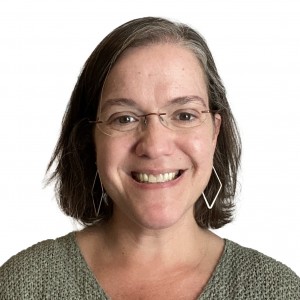
Linda Dalder, LCPC
PsychotherapistSpecialties:Dialectical Behavior Therapy (DBT), Psychotherapy -
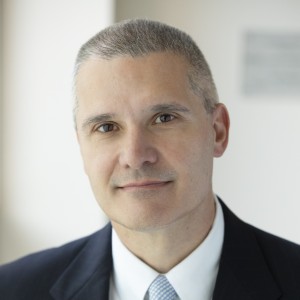
David Bissi, MBA, CHFP
Director of Finance -
Danielle Day, MD
PsychiatristSpecialties:Acute Mental Health, Attention Deficit Hyperactivity Disorder (ADHD), Child and Adolescent Psychiatry, Disruptive Mood Dysregulation Disorder, Pediatric Anxiety Disorders, Pediatric Mood Disorders, Post-traumatic Stress Disorder (PTSD) -
Leslie Deane, MHSA
Director, Market Strategies & Operations -
Muffy Deeley, RN
Nurse, The Retreat at Sheppard Pratt -
Rachel Delany, MD
Inpatient Service Line Chief - Child Unit -
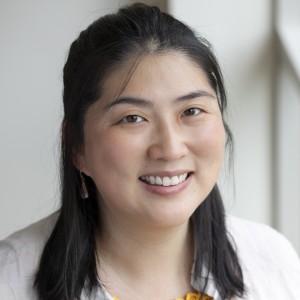
Vittoria (Tori) DeLucia, MD
Medical Director, Sheppard Pratt Schools and Residential Treatment CenterSpecialties:Child and Adolescent Psychiatry, Eating Disorders, Trauma Disorders -
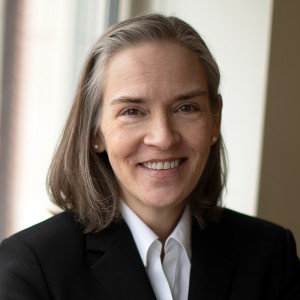
Crystal DeVito, PhD
Director, The Center for Youth; Senior Child & Adolescent PsychologistSpecialties:Child and Adolescent Psychiatry, Neurodevelopmental Disorders, Pediatric Anxiety Disorders, Pediatric Behavior, Mood, and Adjustment Disorders, Psychotherapy, Psychological Assessments -
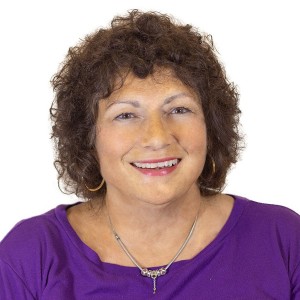
Antionette Dickenson, RN
Nurse, The Retreat at Sheppard Pratt -
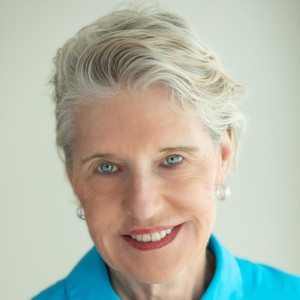
Faith Dickerson, PhD, MPH
Director of Psychology, Research, and EducationSpecialties:Schizophrenia, Psychotic Disorders, Severe Mental Illness -
Antoinette Dickinson, RN
Nurse, The Retreat at Sheppard Pratt -

Andris L. Dominicci, MD
Service Chief, Adolescent Mood Disorders Unit -
Donna Richardson, MBA
Vice President and Chief Development Officer -
Rajan Dunne, DO
Psychiatrist, The Retreat by Sheppard PrattSpecialties:Mood Disorders, Attention Deficit Hyperactivity Disorder (ADHD), Neurodivergence, LGBTQ+ Mental Health Issues, Psychopharmacology, Psychodynamic Psychotherapy -
Julianna Eckman, LCPC, LGADC
Therapist, The Center for OCD and AnxietySpecialties:Anxiety Disorders, Obsessive-Compulsive Disorder (OCD) -
Benjamin Ehrenreich, MD
Psychiatrist, The Retreat by Sheppard PrattSpecialties:Addiction Medicine, Psychodynamic Psychotherapy, Psychotherapy -
Amanda Eng
TMS Technician -
Ernestine Cosby, RN
-
Carrie Etheridge, LCSW-C
Director of Social Work -
Leanora Eubanks
Yoga Teacher, The Retreat by Sheppard Pratt -
Ahmed A. Fayed, MD
Service Chief of Adult Mood Disorders UnitSpecialties:Adult Psychiatry -
Danita Fields, LCSW-C
Social Worker -
Melissa Flanders, MS, OTR/L
Occupational Therapist, The Retreat by Sheppard Pratt -
Kathy Flannery, MEd
Vice President and Chief of SchoolsSpecialties:Autism Spectrum Disorder, Neurodevelopmental Disorders, School Mental Health Services, Special Education -
Tom Flis, MS, BCBA, LBA, LCPC
Clinical Director, The Center for Autism; Behavioral Services ManagerSpecialties:Applied Behavior Analysis, Autism Spectrum Disorder, Intellectual Disabilities, Neurodevelopmental Disorders, Psychotherapy -
Teresa Ford, RN
Nurse, The Retreat at Sheppard Pratt -
Madeline Frazer, MHA
Administrative Fellow, '21-'22 | Current Position: Population Health Strategy Consultant, CareFirst BlueCross BlueShield -

Paul Fuchs, MD, MPH
Service Chief, Young Adult Unit -
Greg Gattman, FACHE
Vice President & COO, Sheppard Pratt Hospitals -
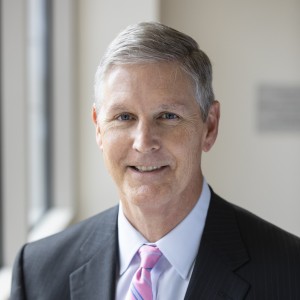
Gregory Gattman, FACHE
Vice President and Chief Operating Officer, Hospitals -
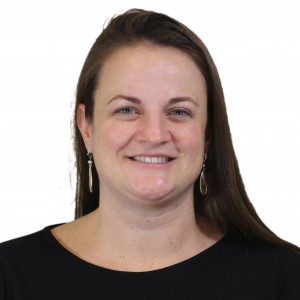
Rebekah Gildersleeve, LCSW-C
Director, Psychotherapist, Outpatient Mental Health Center - Frederick; Program Manager, Offsite Counseling Services at Outpatient Mental Health Center - Frederick -
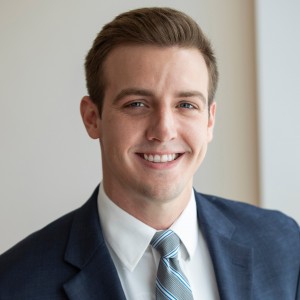
Tommy Glenn, MBA, MSF
Senior Director, Strategy -
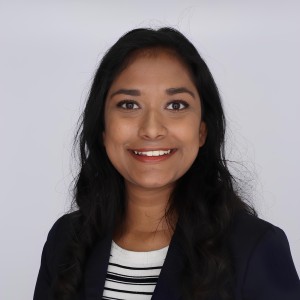
Debjani Goswami, MSc
Administrative Fellow, '23-'24 | Current Position: HRO Transformation Coach, University of Maryland Medical System -
Traci Gray
Senior Advisor, Revenue Cycle -
Abria Green, PMHNP
Nurse Practitioner, Assertive Community Treatment -
Alyssa Grieshaber
Clinical Director of Quality & Safety -

Zhihong Guo, MD
Adult PsychiatristSpecialties:Adult Psychiatry -
Rebekah Hagan, LCSW-C
Psychotherapist, Outpatient Mental Health Center - FrederickSpecialties:Cognitive Behavioral Therapy -
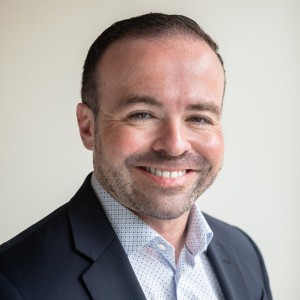
Michael C. Hann, MD, MBA, MS, CPE, FACHE, FAPA
Chief of Medical StaffSpecialties:Adult Psychiatry, Anxiety Disorders, Bipolar Disorder, Clinical Innovation, Cultural Psychiatry, Healthcare Management, Post-traumatic Stress Disorder (PTSD), Program Development, Quality Improvement in Psychiatry, Transcranial Magnetic Stimulation (TMS), Treatment-resistant Depression, Veteran Mental Health -
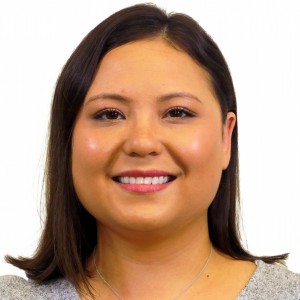
Caroline Hardesty, LCPC
Mental Health Therapist, Outpatient Mental Health Center - FrederickSpecialties:Cognitive Behavioral Therapy -
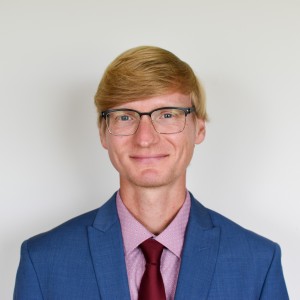
Shane Hart, LCPC
Therapist, The Center for OCD and AnxietySpecialties:Anxiety Disorders, Cognitive Behavioral Therapy, Obsessive-Compulsive Disorder (OCD) -

Aanuoluwapo Haruna, RN
Nurse, The Retreat at Sheppard Pratt -
Nakia Hazel
Financial Administrative Assistant, The Retreat by Sheppard Pratt -
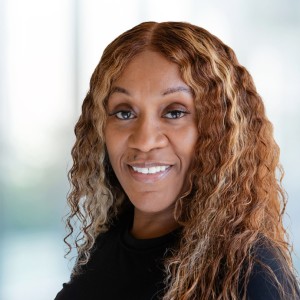
Tara D. Henley, DNP, APRN, PMHNP-BC
Nurse Practitioner -
Marshall D. Henson
Vice President and Chief Operating Officer, Community Services -
Meagan Herman, LCPC
Mental Health Therapist, Outpatient Mental Health Center - Frederick -
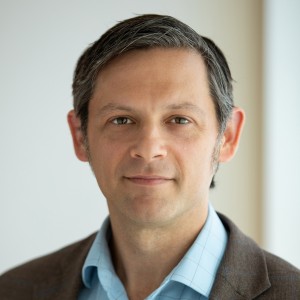
Jon Hershfield, MFT
Director, The Center for OCD and AnxietySpecialties:Anxiety Disorders, Cognitive Behavioral Therapy, Obsessive-Compulsive Disorder (OCD) -

Lane Hicks
Program Manager, Ruxton House and Magnolia House -
Kathleen Hilzendeger
Director of Professional Services -
Lisa Hoffmann, DNP, CRNP, PMHNP-BC
Psychiatric Nurse PractitionerSpecialties:Adult Psychiatry, Crisis Psychiatry, Dissociative Identity Disorder, Post-traumatic Stress Disorder (PTSD), Suicide Prevention, Suicide Risk Assessment -
Beth Holley, RN
Nurse, The Retreat at Sheppard Pratt -
Jill Howard, BSN, MBA-HCM
Senior Advisor, Clinical Services -
Erika Humphreys, PMHNP-BC, BSN
Psychiatric Mental Health Nurse Practitioner, Sheppard Pratt at Calvert Health Medical Center -
Nicolas Iadarola, MD, MS
PsychiatristSpecialties:Adult Psychiatry -
Stephanie Ikwueme, BSN, RN, PMHN-BC, PMHNP-BC
Psychiatric Mental Health Nurse Practitioner, Adolescent Male Unit -
Lisa Illum, MLIS, MEd
Professional Education Coordinator; Librarian/Archivist -
Ameena Jain, DNP, CRNP-PMH
Psychiatric Nurse Practitioner -
Jeff Richardson, LCSW, MBA
Vice President and Chief Operating Officer, Sheppard Pratt Community Services -
Jeffrey Grossi, JD
Chief of Government Relations -
Alisha (AJ) Johnson, LCSW-C, LICSW, MSW, C-DBT
Executive Director at CalvertHealth - A Sheppard Pratt Solutions Client -
Em Jones, LGPAT, ATR-P
Art Therapist, The Retreat by Sheppard Pratt -
Selina Jones, PMHNP-BC, FNP-BC
Nurse Practitioner, Adolescent Service Line -

Daniel Kakuska, MD
Psychiatrist, The Retreat by Sheppard PrattSpecialties:Adult Psychiatry, Psychoanalysis, Psychotherapy -
Karen Robertson-Keck, SPHR, SHRM-SCP
Vice President of Human Resources -
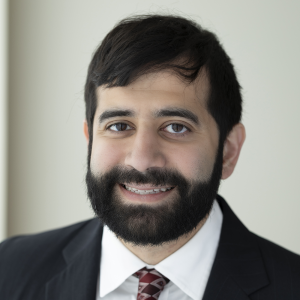
Ashkan Katirai, MSN, PMHNP-BC
Psychiatric-Mental Health Nurse PractitionerSpecialties:Acute Mental Health, Adult Psychiatry, Crisis Psychiatry -
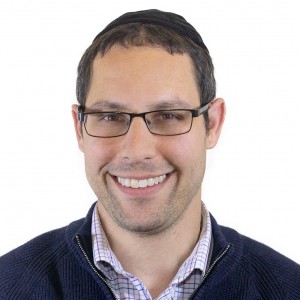
Erich Kauffman, LCPC
Addictions Counselor, The Retreat by Sheppard Pratt -
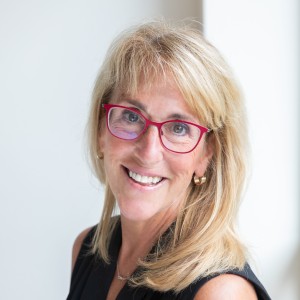
Claudia Keenan
Vice President and Chief Development Officer -
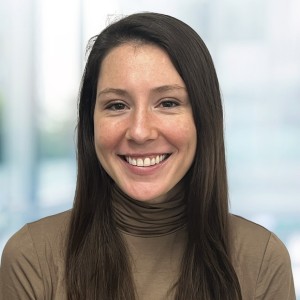
Allyson June Kemp, MS, FPMHNP
Psychiatric Nurse PractitionerSpecialties:Trauma Disorders, Dialectical Behavior Therapy (DBT), Motivational Interviewing -
Keisha Kemp
Assistant Principal, Sheppard Pratt School - Lanham -
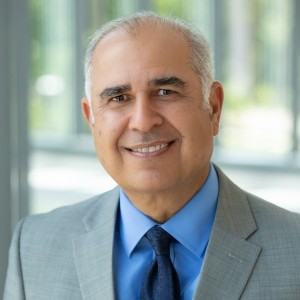
Khizar Khan, MD
Medical Director, Baltimore/Washington Campus; Service Chief, Harbor UnitSpecialties:Adult Psychiatry, Anxiety Disorders, Mood Disorders, Psychopharmacology, Psychotic Disorders -
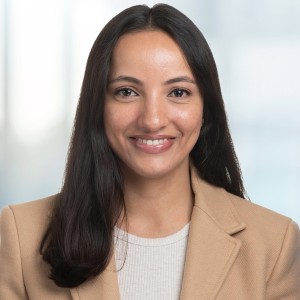
Kamana Khanal, PMHNP-BC, DNP
Psychiatric Nurse Practitioner -
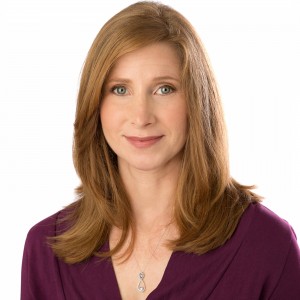
Brenda Kijesky, LCMFT
Therapist, The Center for OCD and AnxietySpecialties:Anxiety Disorders, Cognitive Behavioral Therapy, Obsessive-Compulsive Disorder (OCD) -
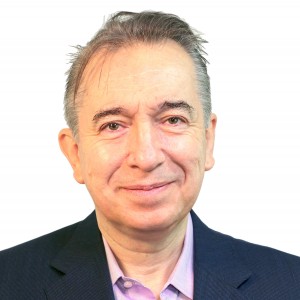
Vassilis Koliatsos, MD
Senior Neuropsychiatrist, Research and Education; Stulman Scholar, Clinical NeuropsychiatrySpecialties:Neuropsychiatry, Neuroscience, Adult Psychiatry -
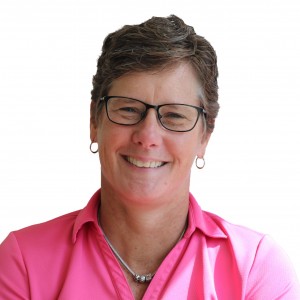
Vaune Kopeck, OTR/L
Occupational TherapistSpecialties:Occupational Therapy -
Rod Kornrumpf, FACHE
Vice President - Behavioral Health -
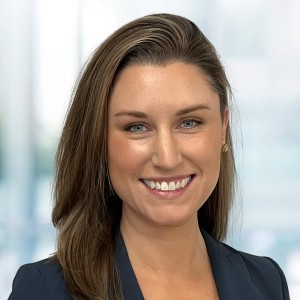
Anna Kostrzewsky, MD
Adult Psychiatrist; Lead, Medical Student Training ProgramSpecialties:Adult Psychiatry -
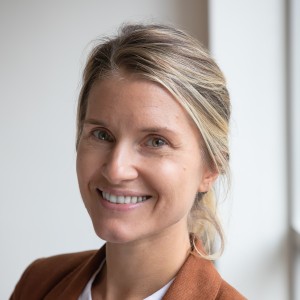
Zofia Kozak, MD
PsychiatristSpecialties:Adult Psychiatry, Psychotherapy, Psychodynamic Psychotherapy -
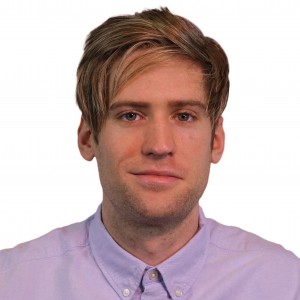
Ethan Krause, PMHNP
Psychiatric Nurse PractitionerSpecialties:Acute Mental Health -
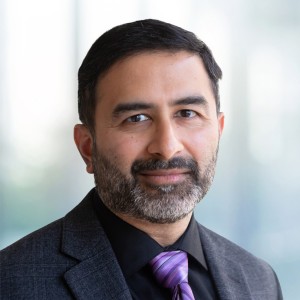
Rajeev Krishna, MD, PhD, MBA
Chief of Medical StaffSpecialties:Acute Mental Health, Adolescent Psychiatry, Child and Adolescent Psychiatry, Clinical Innovation, Crisis Psychiatry, Healthcare Management, Medical Informatics, Quality Improvement in Psychiatry -
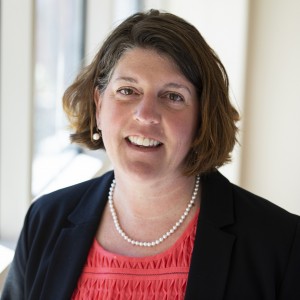
Kylie B. McCleaf, MA, CPRP
Executive Director, Family Services, Inc. -

Nils Lalanne
Assistant Manager, Group Homes -

Carrie Lantry
Financial Administrative Assistant, The Retreat at Sheppard Pratt -
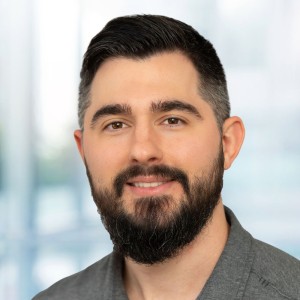
Jeffrey LaPratt, PsyD
Lead Psychologist, DBTSpecialties:Dialectical Behavior Therapy (DBT), Depression, Anxiety Disorders, Personality Disorders, Trauma Disorders, Suicidal Thoughts and Behaviors, Forensic Psychology -

Margo Lauterbach, MD, FANPA, DFAPA
Service Chief, Hospital Outpatient Clinic/NeuropsychiatrySpecialties:Concussion, LGBTQ+ Mental Health Issues, Neuropsychiatry, Neuroscience, Rare Disorders, Traumatic Brain Injury -

Jenny Lazzaro, LCSW-C
Clinical Social Worker, The Retreat by Sheppard Pratt -
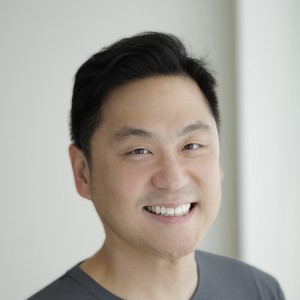 Specialties:Child and Adolescent Psychiatry
 -
Ronald Lee, MD
Service Chief, Adolescent Male UnitSpecialties:Child and Adolescent Psychiatry, Pediatric Mood Disorders, Pediatric Anxiety Disorders -
Kimberly Lee, PMHNP-BC
Nurse Practitioner, Sheppard PrattSpecialties:Adult Psychiatry, Mood Disorders -

Penny Lemmerman, LCSW-C
Clinic Administration & Collaborative Care, Sheppard Pratt Solutions -
Chad Lennon, MD
Child and Adolescent PsychiatristSpecialties:Child and Adolescent Psychiatry, Minority Mental Health, Attention Deficit Hyperactivity Disorder (ADHD), Pediatric Mood Disorders -
Kelli Lillard
Senior Director, Customer Engagement -
Trina Lion, MS, LAc
Eastern Meditation & Movement Specialist, The Retreat at Sheppard Pratt -
Sarah Loeffler, LCSW-C
Social WorkerSpecialties:Concussion, Traumatic Brain Injury -
Alex Lohrmann, RN
Nurse, The Retreat at Sheppard Pratt -
Alexandra (Alex) Lorang, MHA
Associate Consultant -
Alexandra (Alex) Lorang, MHA
Administrative Fellow, '22-'23 | Current Position: Senior Associate of Integration, Curana Health -
Evelyn Luna, RN
Nurse, The Retreat by Sheppard Pratt -
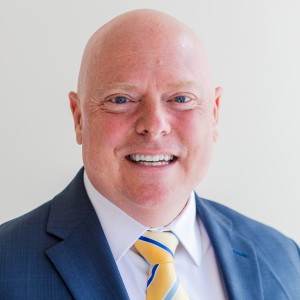
Brian Lynch
Vice President and Chief Human Resources Officer -

Jack Machen, RN
Nurse, The Retreat by Sheppard Pratt -
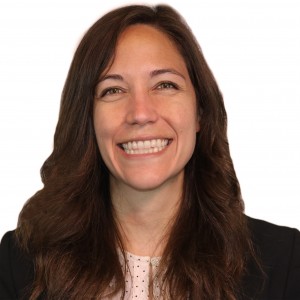
Ashley Maher, PhD
Lead Psychologist, Trauma Disorders ServicesSpecialties:Post-traumatic Stress Disorder (PTSD), Veteran Mental Health -
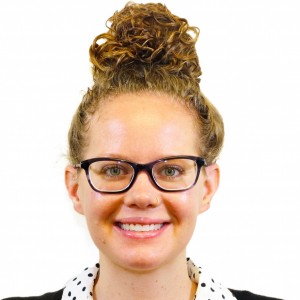
Hillary Mallette, LMSW
Mental Health Therapist, Outpatient Mental Health Center - Frederick -

Amy Mandelberg, LCPC
Therapist, The Center for OCD and AnxietySpecialties:Anxiety Disorders, Cognitive Behavioral Therapy, Obsessive-Compulsive Disorder (OCD) -

Louis J. Marino, Jr., MD
Chief of Medical Staff; Medical Director, Geriatric ServicesSpecialties:Geriatric Psychiatry -
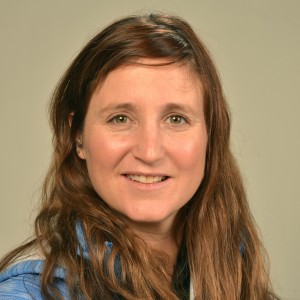
Teresa Marvel, CTRS/PT
Coordinator of Health and Wellness, The Retreat by Sheppard Pratt -
Ashley Masten, LCSW-C
Behavioral Health Consultant; Social Worker -
Samantha Matthews, MD
Adult Psychiatrist -
Chip Maust, EdD
Vice President and Chief of School & Residential Treatment Centers -
Susan Maxwell
Financial Administrative Assistant, The Retreat by Sheppard Pratt -
Jeff McCagh, PharmD
Director of Pharmacy, HospitalsSpecialties:Substance Use Disorder, Pharmacy Informatics, Psychopharmacology, Medication Management -
Katy Meade, RN
Nurse, The Retreat by Sheppard Pratt -
Ronald Means, MD, DFAPA
Chief of Medical StaffSpecialties:Adult Psychiatry, Child and Adolescent Psychiatry, Forensic Psychiatry, Healthcare Management, Systems of Care -
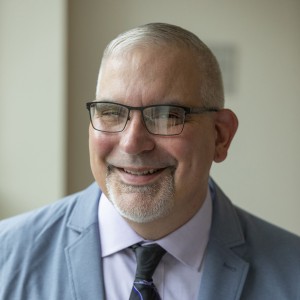
Jason Melegari, MHA, RN, CJCP, CHAO
Director, Clinical Services -

Nicole Mento
Admissions Coordinator, The Retreat at Sheppard Pratt -
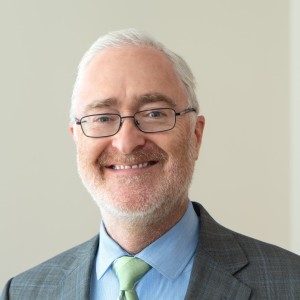
Stephen (Steve) Merz, MHSA, FACHE
Vice President and Chief Operating Officer, Sheppard Pratt Solutions -
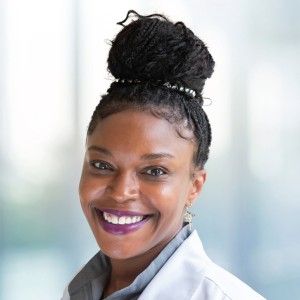
Jessica Miller, PMHNP, MPH
Nurse Practitioner -
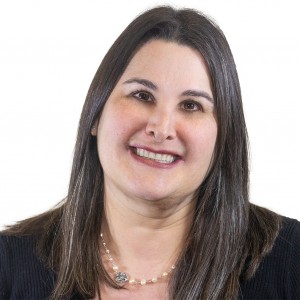
Jennifer Mittelman, LCSW-C
Director, Hospital Outpatient Clinic -

Melissa Mondich, LCSW-C
Therapist, The Center for OCD and AnxietySpecialties:Anxiety Disorders, Cognitive Behavioral Therapy, Obsessive-Compulsive Disorder (OCD) -

Brennan Morris
Admissions Coordinator, The Retreat at Sheppard Pratt -
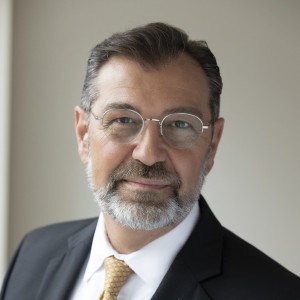
Bryan Mroz
Vice President and Chief Operating Officer, Hospitals -
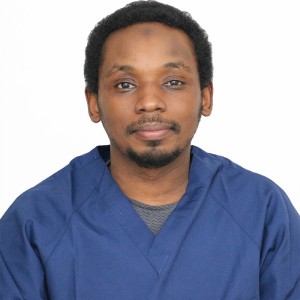
Fahad Mukhtar, MD, MPH
Service Chief, Electroconvulsive Therapy (ECT) and Transcranial Magnetic Stimulation (TMS)Specialties:Electroconvulsive Therapy (ECT), Psychoanalysis, Transcranial Magnetic Stimulation (TMS) -

Allyson Murphy, LMSW
Mental Health Therapist, Outpatient Mental Health Center - Frederick -
Arachchige Pubudini Muthukuda, MD
Service Chief, Adolescent Inpatient Unit at Baltimore/Washington CampusSpecialties:Borderline Personality Disorder, Bipolar Disorder, LGBTQ+ Mental Health Issues, Major Depressive Disorder, Schizophrenia -
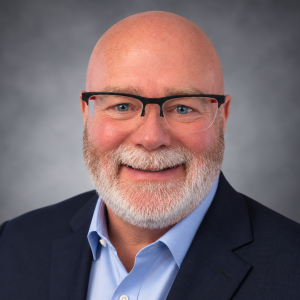
Michael Neely
Provider Relations Representative -
Donna Niedecker, LCSW-C
Social WorkerSpecialties:Substance Use Disorder -

Olawunmi Olufowobi, CRNP-PMH
Psychiatric Charge Nurse -
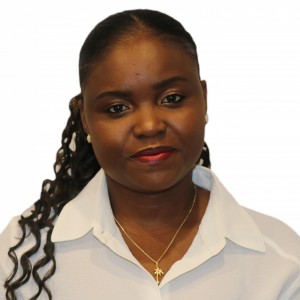
Iwalola Omojola, CRNP-PMH, MSN, RN
Psychiatric Nurse Practitioner -

Teresa Openshaw, RN
Nurse, The Retreat at Sheppard Pratt -
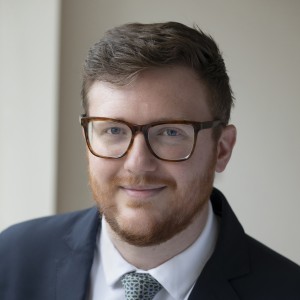
Roger Packard, MHA, MBA
Administrative Fellow, ’25-’26 | Current Position: Physical Therapist Assistant, Adventist HealthCare -
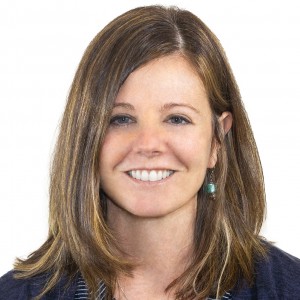
Kate Papathanassiou, RN
Nurse, The Retreat by Sheppard Pratt -
Timothy Parker, MPH-NP
Nurse Practitioner -
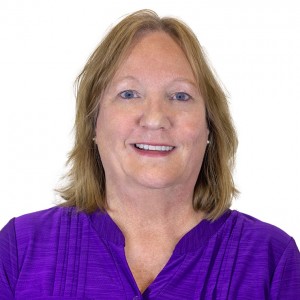
Karen Peck, RN
Nurse, The Retreat at Sheppard Pratt -
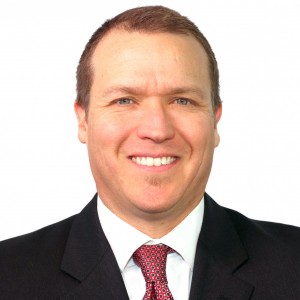
Scott R. Pekrul, MD
Service Chief, Adult NeuropsychiatrySpecialties:Child and Adolescent Psychiatry, Adult Psychiatry, Neurodevelopmental Disorders, Psychiatric Co-morbidities in Developmental Disorders -
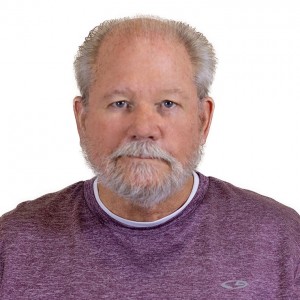
Bruce Pelto
Lead Mental Health Worker, The Retreat by Sheppard Pratt -
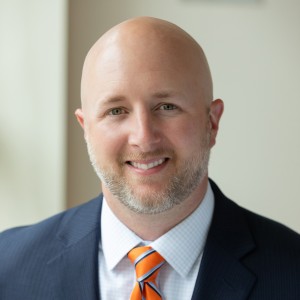
Todd Peters, MD, DFAACAP, DFAPA
Senior Vice President and Chief Medical OfficerSpecialties:Child and Adolescent Psychiatry, Electroconvulsive Therapy (ECT), LGBTQ+ Mental Health Issues, Medical Informatics, Pediatric Mood Disorders, Pediatric Anxiety Disorders -

Jeannie Pham, MD
Child & Adolescent Psychiatrist, Outpatient Mental Health Center - FrederickSpecialties:Child and Adolescent Psychiatry, Attention Deficit Hyperactivity Disorder (ADHD), Oppositional Defiant Disorder, Anxiety Disorders, Mood Disorders -
Julie Portillo, LMSW
Therapist, Outpatient Mental Health Center - Frederick -
Paula Prager, LCSW-C
Social Worker -

Eric Prouty, MD, PhD
PsychiatristSpecialties:Adult Psychiatry, Acute Mental Health, Neuroscience -
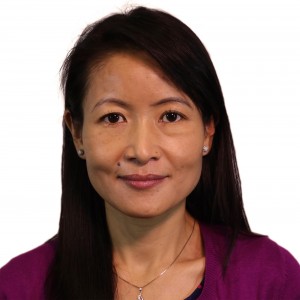
Bimla Rai, MD
Child & Adolescent Psychiatrist, Sheppard Pratt Outpatient Clinics + SchoolsSpecialties:Anxiety Disorders, Child and Adolescent Psychiatry, Mood Disorders, Neurodevelopmental Disorders -
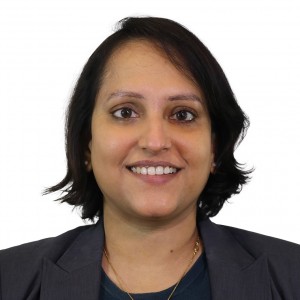
Rachna Raisinghani, MD, FAPA, FACLP
Medical Director, Division of Consultation Liaison Psychiatry at Sheppard PrattSpecialties:Adult Psychiatry, Consultation-Liaison Psychiatry, Addiction Medicine -
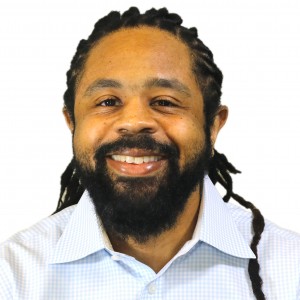
Mark Raspberry, LCPC
Psychotherapist, Outpatient Mental Health Center - Frederick -
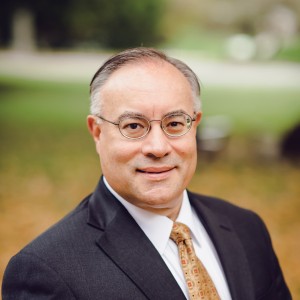
Ray Dziesinski, MBA
Vice President and Chief Financial Officer -
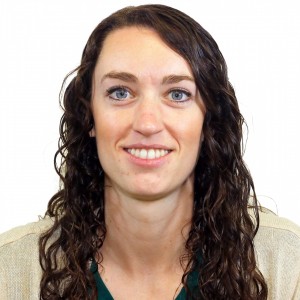
Erin Reilley, LMSW
Mental Health Therapist, Outpatient Mental Health Center - Frederick -
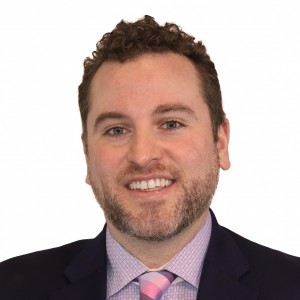
Keith Reilley, MSN, PMHNP-BC
Psychiatric Nurse PractitionerSpecialties:Anxiety Disorders, Electroconvulsive Therapy (ECT), Mood Disorders -
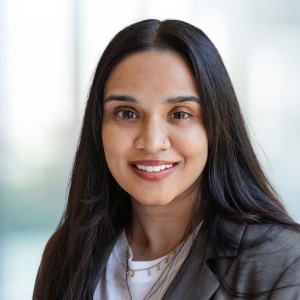
Annum S Rentiya, PsyD
Clinical PsychologistSpecialties:Eating Disorders, Adolescent Psychiatry, Psychological Evaluations -
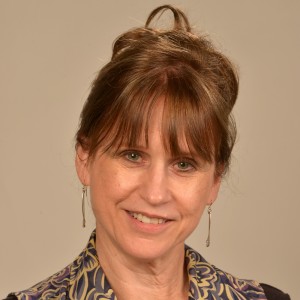
Deborah Richa, RN
Nurse, The Retreat at Sheppard Pratt -
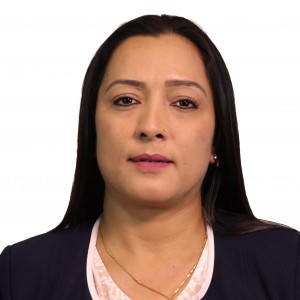
Jyoti Rimal, PMHNP
Psychiatric Nurse PractitionerSpecialties:Crisis Psychiatry, Adult Psychiatry, Adolescent Psychiatry, Psychotic Disorders, Suicide Prevention, Suicide Risk Assessment -
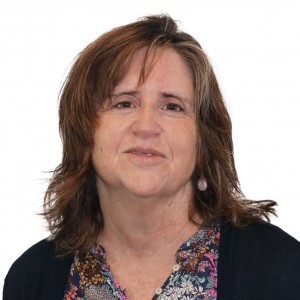
Kathy Roberts, LMSW
Social Worker, The Retreat at Sheppard Pratt -
Stephanie Robinson, MSN, RN, PBH-BC, NPD-BC, NE-BC
Senior Director of Clinical Services -
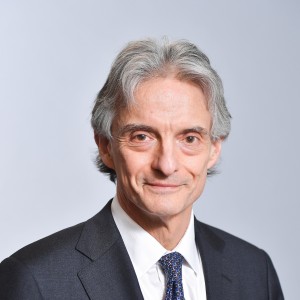
Robert Roca, MD, MPH
Vice President and Chief Medical Officer -
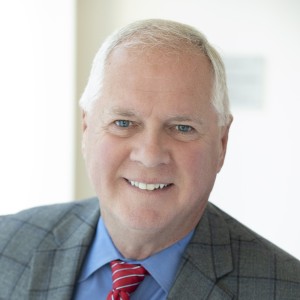
Rod Kornrumpf, MHSA FACHE
Senior Advisor, Sheppard Pratt Solutions -

Scott Rose, JD
Executive Director, Way Station, Inc. -
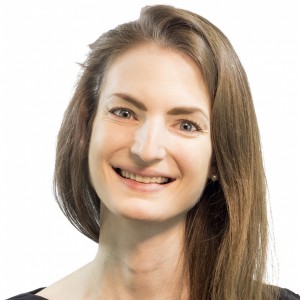
Ann Marie Ruhe, PharmD, BCPP
Clinical Pharmacy Specialist in PsychiatrySpecialties:Psychopharmacology -

Elizabeth Ryznar, MD, MSC
PsychiatristSpecialties:Consultation-Liaison Psychiatry -
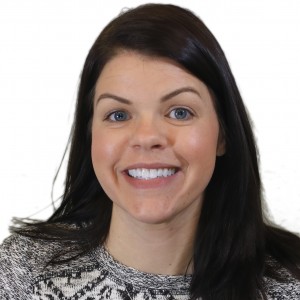
Erica Sacchetti, LCSW-C
Mental Health Therapist, Outpatient Mental Health Center - Frederick -
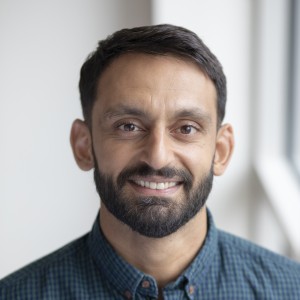
Navpreet Sandher, MSN, RN, PMHNP
Psychiatric Nurse PractitionerSpecialties:Acute Mental Health, Consultation-Liaison Psychiatry, Mood Disorders, Schizophrenia, Substance Use Disorder, Veteran Mental Health -

Emily Sargent, PsyD
Psychologist, The Retreat by Sheppard PrattSpecialties:Psychodynamic Psychotherapy, Neurodivergence, Relational Attachment Trauma -
Sheharyar Sarwar, DO
Psychiatrist -
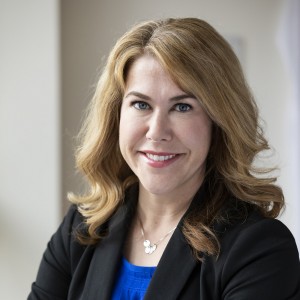
Kelly Savoca, CPA, MBA
Senior Vice President and Chief Financial Officer -
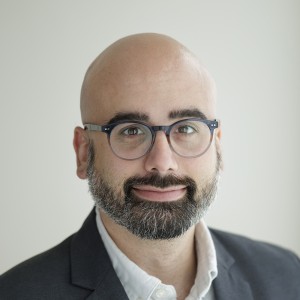
Samuel Scharff, MD, PhD
PsychiatristSpecialties:Adult Psychiatry -
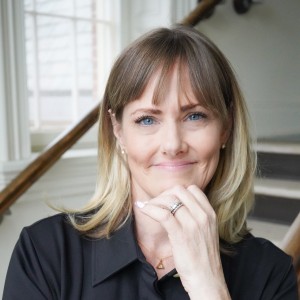
Molly Schiffer, LCPC
Associate Director, The Center for OCD and AnxietySpecialties:Anxiety Disorders, Cognitive Behavioral Therapy, Obsessive-Compulsive Disorder (OCD) -
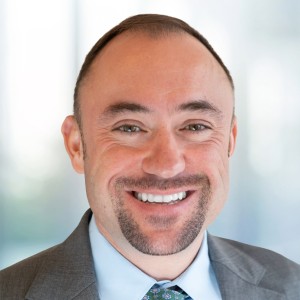
Robert J. Schloesser, MD
Service Chief, Residency Outpatient Clinic and Timonium Outpatient Mental Health Center; Medical Director, Director of Clinical Excellence and InformaticsSpecialties:Adult Psychiatry, Neuropsychiatry -

Debbie Schmidt, LMSW
Mental Health Therapist, Outpatient Mental Health Center - Frederick -
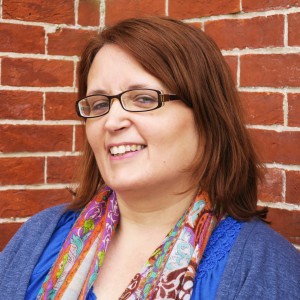
Kelly Seckman, LCSW-C
Admissions Coordinator, The Retreat at Sheppard Pratt -
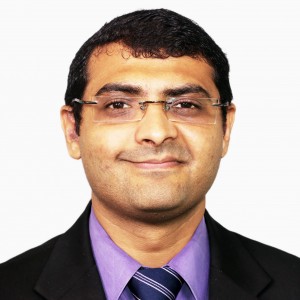
Manan Shah, MD
Service Chief, Child and Adolescent Day HospitalSpecialties:Autism Spectrum Disorder, Child and Adolescent Psychiatry, LGBTQ+ Mental Health Issues, Psychopharmacology, Sleep Disorders, Telepsychiatry -
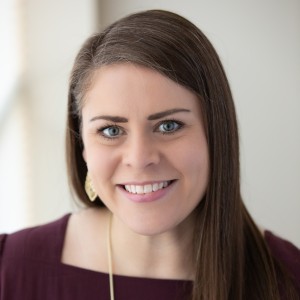
Lauren Shiro
Manager, Provider Relations -
Susan Shultis, RN
Nurse, The Retreat by Sheppard Pratt -
Lina Sierra, LCSW-C
Bilingual Mental Health TherapistSpecialties:Anger Management, Anxiety Disorders, Cognitive Behavioral Therapy, Depression, Motivational Interviewing -

Shawmickia Simmons, LCSW-C
Program Director, Baltimore School-Based Mental Health ProgramSpecialties:Cognitive Behavioral Therapy, Evidence-Based Psychotherapy, Pediatric Anxiety Disorders, Psychotherapy, School Mental Health Services -
Holly Slapinski, ACSW, LCSW-C
Family Therapist, The Retreat at Sheppard Pratt -
Sharon Smith
Administrative Assistant, The Retreat by Sheppard Pratt -
Rachel Smolowitz, PhD
Program Manager, Collaborative Care at GBMCSpecialties:Co-Occurring Disorders, LGBTQ+ Mental Health Issues, Motivational Interviewing, Program Development, Psychotherapy, Smoking Cessation -
Stephanie Snider, PhD, MPH
Director -
April Sobiech, LCSW-C
Associate Director of Social Work -
Abigail Sojka, MHA
Administrative Fellow, ’24-’25 | Current Position: Senior Director of Primary Care, MedStar Health -
Laura Startzman
Neuromodulation Nurse Manager -
Lynn Stefanowicz
Chief of Access & Integrated Care -
Jessie Stephen, MD
Medical Director, Outpatient Mental Health Center - FrederickSpecialties:Adult Psychiatry, Women's Issues, Severe Mental Illness -
Latia Suite, LCSW-C, MSW, MTh
Assistant Director of Social Work -
Daniel Summers, PsyD
Psychologist, The Retreat by Sheppard PrattSpecialties:Psychodynamic Psychotherapy, Trauma Disorders -
Boglarka Szabo, MD
Medical Director, Adult Services, Towson; Service Chief, Sullivan Day HospitalSpecialties:Addiction Medicine, Addiction Psychiatry, Adult Psychiatry, Psychotic Disorders -

Thomas D. Hess, MBA, MEd
Chief of Staff -
Nishina Thomas, MD
Geriatric Psychiatry; Service Chief of the Geriatric PsychiatrySpecialties:Adult Psychiatry, Geriatric Psychiatry -
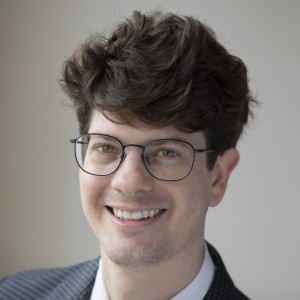
William Tobolowsky, MD
PsychiatristSpecialties:Consultation-Liaison Psychiatry, Neuropsychiatry, Mood Disorders, Anxiety Disorders, Psychotic Disorders, Eating Disorders, Substance Use Disorder -

Duaa Tolba, PMHNP
Psychiatric Nurse PractitionerSpecialties:Adolescent Psychiatry, Autism Spectrum Disorder -
Jennifer Tornabene
Director, The Center for Professional Education -
Felecia Traynham, LCSW-C
Social Worker -
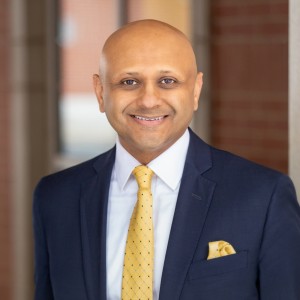
Harsh K. Trivedi, MD, MBA
President and Chief Executive OfficerSpecialties:Child and Adolescent Psychiatry, Adult Psychiatry -
Sherry Turner, RN
Nurse, The Retreat by Sheppard Pratt -
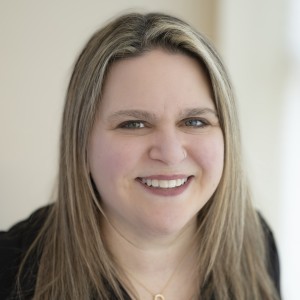
Sara Uram, LCSW-C
Social WorkerSpecialties:Autism Spectrum Disorder, Neurodevelopmental Disorders -
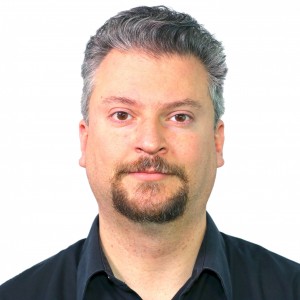
Yakir Vaks, MD
Service Chief, Adult Co-Occurring Disorders UnitSpecialties:Adult Psychiatry, Addiction Medicine -
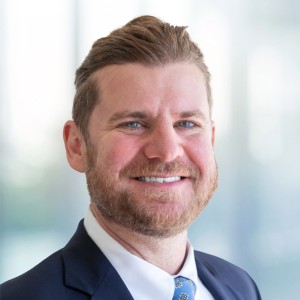
Andrew van der Vaart, MD, PhD
Associate Director, Residency Training -
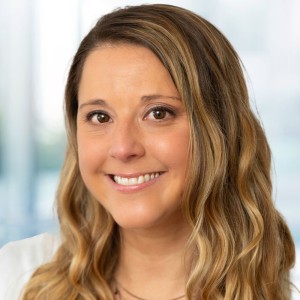
Kristin Wagner, LCSW-C
Psychotherapist, Sheppard Pratt Community ServicesSpecialties:Anxiety Disorders, Cognitive Behavioral Therapy -
Andrew Charles Warren, MD
Psychiatrist, Psychotic Disorders Unit and Hospital Outpatient ClinicSpecialties:Alzheimer's Disease, Developmental Disabilities, Geriatric Psychiatry, Neurology, Psychotic Disorders -

Julia Weckstein, MD
Adult Psychiatrist, Adult UnitSpecialties:Adult Psychiatry -
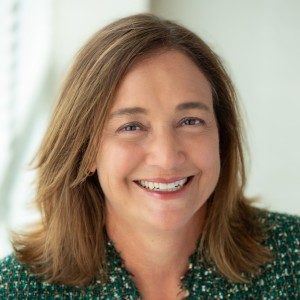
Jennifer Weiss Wilkerson, MHSA, FACHE
Senior Vice President & Chief Strategy Officer, Sheppard Pratt -
Jennifer Weiss Wilkerson, MHSA, FACHE
Senior Vice President and Chief Strategy Officer -
Terry Wilpers, ATR-BC
Art Therapist, The Retreat at Sheppard Pratt -
Jennifer Wineke, MD, MBE
Psychiatrist, The Retreat by Sheppard PrattSpecialties:Dialectical Behavior Therapy (DBT), Post-traumatic Stress Disorder (PTSD), Psychodynamic Psychotherapy, Psychopharmacology, Women's Issues -
Sean Winslow
Admissions Assistant, The Retreat at Sheppard Pratt -
Laura Winstead, LCSW-C
Social Worker -
Candace Womack, RN, MSN, PMHNP-BC
Psychiatric Nurse Practitioner -
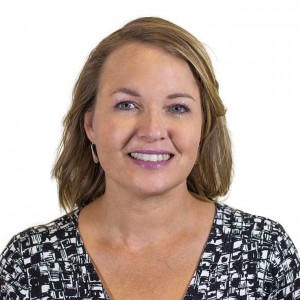
Amy Woods, RN
Nurse, The Retreat at Sheppard Pratt -
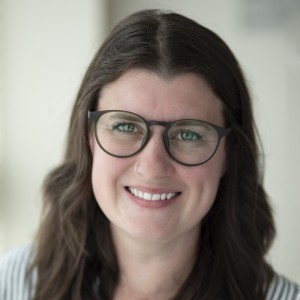
Arielle Wright, LCSW-C, ADHD-CCSP
Social Worker, Psychiatric Urgent CareSpecialties:Pediatrics, School Mental Health Services, Special Education, Suicide Prevention, Suicide Risk Assessment -
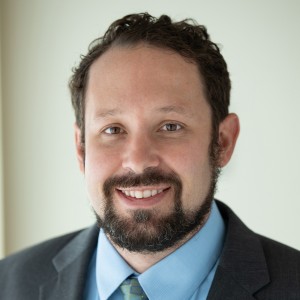
Michael Young, MD
Medical Director, The Retreat by Sheppard PrattSpecialties:Adult Psychiatry, Anxiety Disorders, Mood Disorders, Personality Disorders -
Emily Zhu, RN
Nurse, The Retreat by Sheppard Pratt -
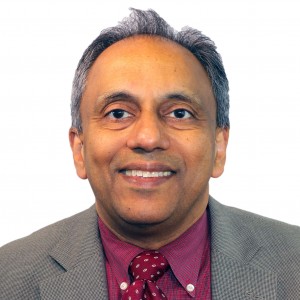
Edward Zuzarte, MD
Service Chief, Psychotic Disorders UnitSpecialties:Adult Psychiatry, Mood Disorders, Psychotic Disorders