For individuals living with serious mental illness (SMI), outpatient care alone is often insufficient, and repeated inpatient hospitalization can strain both patients and healthcare systems. The most effective path forward lies between these extremes: comprehensive, wraparound care that stabilizes individuals, builds skills for daily living, and keeps people connected to their communities while reducing reliance on inpatient care.
At Sheppard Pratt, residential treatment services are designed precisely for this purpose. Informed by a full continuum of care model and supported by multidisciplinary clinical teams, Sheppard Pratt’s residential programs represent a leading model for how systems can better serve people with the most complex mental health needs.
Unlike systems that have their services in isolated silos, Sheppard Pratt has developed an integrated continuum of care that allows individuals with SMI to move fluidly between levels of support as their needs change. As Edward Zuzarte, MD, medical director for Sheppard Pratt’s thought disorders unit, describes, this continuum encompasses inpatient stabilization, residential crisis services, residential treatment, day hospital programs, outpatient care, psychiatric rehabilitation, and community-based housing, all within a single coordinated system.
This structure enables clinicians to intervene early, stabilize crises, and prevent unnecessary hospital readmissions. Patients who require inpatient care can step down into residential treatment rather than returning immediately to unsupported environments. From there, they may transition to supervised housing, vocational programs, and outpatient services, while remaining connected to the same clinical network.
“Patients are followed at every step of the process. That continuity makes a huge difference in keeping people stable and out of higher levels of care,” Zuzarte explains.
Sheppard Pratt’s residential programs offer 24/7 support in structured, community-based settings. Residents receive psychiatric care, medication management, therapy, and case management while also developing essential life skills. Programs emphasize medication adherence, relapse prevention, and functional recovery, recognizing that clinical stability alone is not enough.
Supervised medication administration, often including long-acting injectable medications, plays a critical role. Many individuals with SMI struggle with insight or cognitive challenges that make adherence difficult. Residential staff provide consistent support, significantly reducing the risk of relapse and helping individuals maintain their progress over time.
Equally important, residential programs embed educational, vocational, and social supports into daily care. Residents may receive assistance with finding employment, developing routines, and strengthening community connections to support long-term recovery.
This wraparound approach produces benefits far beyond individual outcomes. By preventing repeated hospitalizations and reducing emergency department and criminal justice involvement, Sheppard Pratt’s model conserves healthcare resources while improving quality of life.
As Marshall Henson, MPP, vice president and chief operating officer of community services, notes, residential and crisis services offer a critical alternative to emergency departments and incarceration, two entry points that often compound trauma for people with SMI.
Psychiatric Urgent Care and residential crisis programs allow individuals to receive timely, specialized care in therapeutic settings rather than punitive or inappropriate ones. The broader impact is substantial: Individuals remain engaged in treatment, communities experience fewer crisis-driven disruptions, and systems can reserve inpatient beds for those who truly need them.
What sets Sheppard Pratt apart is the integration of all services under an organizational umbrella, where clinicians across modalities understand the full care pathway and can rapidly adjust levels of support as a patient’s needs evolve.
This model demonstrates that effective care for serious mental illness requires equal attention to biological treatment and social infrastructure, including housing, supervision, employment, and community connection. It is a replicable approach, but one that requires sustained commitment, clinical leadership, and organizational alignment.
By leading with wraparound residential care, Sheppard Pratt continues to redefine what is possible for people with serious mental illness and provides a blueprint for systems seeking better outcomes, fewer hospitalizations, and more meaningful recovery.
-

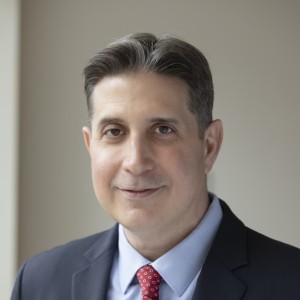
Edward Zuzarte, MD
Service Chief, Psychotic Disorders UnitSpecialties:Adult Psychiatry, Mood Disorders, Psychotic Disorders -
Marshall D. Henson
Vice President and Chief Operating Officer, Community Services