Article by Cris Jacobs
I grew up in a happy home in Baltimore County. Went to a good school, had friends, played sports, and had a relatively trauma-free childhood. I was the kind of kid who seemingly always “had it together.” I was someone who my friends and family could depend on, and I took great pride in that.
In my teenage years, I fell in love with music. I felt that I had found my calling: sitting in my bedroom playing along with the blues and bluegrass that lit me up and gave me a feeling like nothing else I had experienced before. On top of that, it gave me an outlet for all kinds of expression. It was fun, it made people happy, it made people like me.
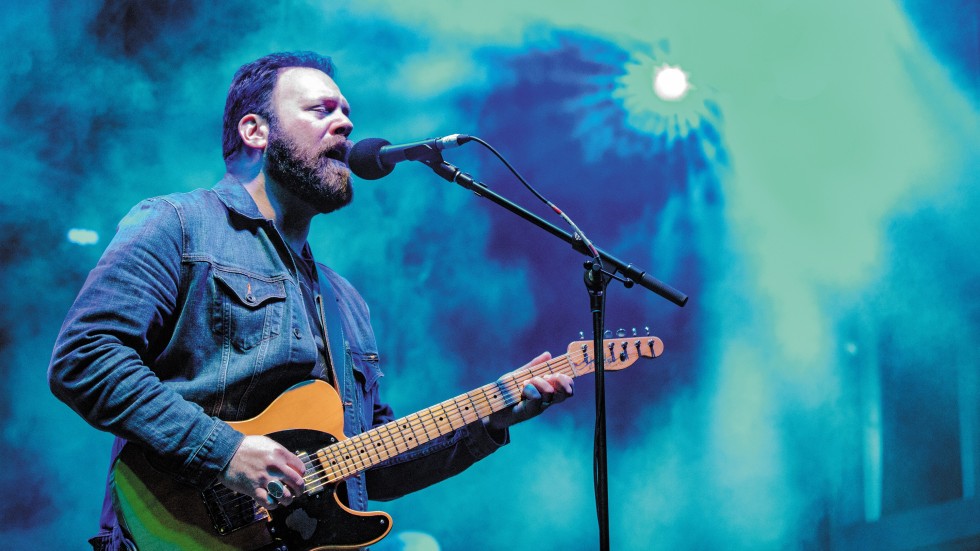
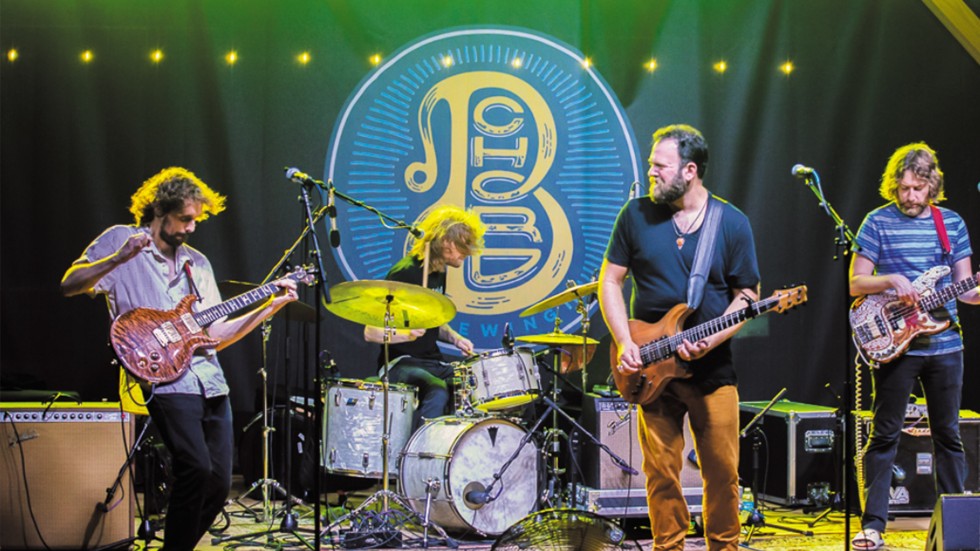
When I was 22, I started my first real band, The Bridge. We spent our twenties riding in a van, playing 200 shows a year across the country. Life was exciting. I had an identity. I had a purpose. Ten years in, we decided to “retire.”
As my bandmates got married and had kids and got “real” jobs, I had no doubt in my mind that I had to continue my career in music. This was who I was. I started a solo career in 2012 and continued to write and perform, even after I got married in 2013 and started a family of my own.
However, life felt different. Responsibility was greater. Creativity became harder. The external validation didn’t feel as rewarding. But years went by before I even thought twice about it. Slowly, things got darker. I would wake up with crippling anxiety more days than not. I sat in my home studio and tried to keep creating but was unable to even come up with one good idea. I thought I was a fraud who would never be creative again. I was distracted. I had a dull, unidentifiable irritability.
But I was the guy who always had it together. I had people depending on me. I was a privileged white male from a good home who had every opportunity in the world. I just needed to put on a happy face and suck it up.

1 / 3
2 / 3
3 / 3
‘Suck it up and get to work’
We didn’t talk about depression in my house growing up. As far as I knew, depression was just being lazy. I needed to suck it up and get to work. So I did for a few more years, all while having this feeling eat away at me from the inside. Nothing so acute or intense that it caused me to stay in bed all day or drink myself to death, but enough that every aspect of my life was jeopardized. I was a distracted dad, an irritable husband, an apathetic creative. I had lost the joy.
Then came the pandemic. While it was lovely to be off the road, spending time with my family when my daughters were young, my identity was suddenly stripped. I wasn’t the performer anymore. I didn’t get regular dopamine hits of praise and adulation. I couldn’t do what I did. Like so many of us during that time, I felt isolated and alone, even with a beautiful family right next to me. Music wasn’t as fun. Life wasn’t fun. Yet I had to keep the machine rolling; otherwise, my kids wouldn’t eat. I was a man of the house—a strong, dependable man who always had it together. I could keep fighting and ignore the nagging feeling that something was off.
I scheduled studio time for another album, so I’d be ready to roll as soon as the pandemic was over. I curated a collection of music, going through the motions of how I’d done it before. When the dates arrived, I looked at everything I had and threw it all away. It was worthless, garbage. I was a fraud. I was ready to quit. It was too much pressure, and I was no longer up for the challenge of it. I felt like I had no one to talk to who could really relate to what I was going through. I decided to just start over and write more vulnerably about what I was feeling. Who cares if it’s good? I might be quitting anyway. The first thing I wrote was about my feeling of loneliness and isolation. The feeling that I was desperately searching for some connection to a source of joy and well-being.
I had about two weeks to write the rest of the album before the session. I had maybe two or three songs that were okay enough to keep; I wrote all the rest right then. After recording 10 songs with a producer and a band, I never put it out. I felt like no one would like it and came up with every other excuse I could as to why it was no good. I was truly lost. The sleeplessness, the edginess, the distractedness, the general apathy … they all got worse. I had extremely dark thoughts. I thought I had failed at life. I had a migraine that lasted a month.
When I finally went to the doctor, he told me I was clinically depressed. It was real. I could continue sucking it up and ignoring it and being stoic about it, making myself and everyone around me miserable, or I could do something about it.
Actually moving forward
I started taking antidepressant medication, something I would’ve looked down on years prior. I sought therapy. And through a simple meeting with my primary care provider, I was introduced to Sheppard Pratt. I learned about transcendental meditation. I started exercising again. My headaches were gone. I was sleeping again. Things weren’t getting to me as much. I felt like I was actually moving forward in my days instead of being stuck in a perpetual, hopeless, negative thought loop.
I called it what it was and faced it: I was depressed. I learned that my grandmother had experienced depression, and had, in fact, been hospitalized at Sheppard Pratt. I wondered if my father, who had become edgier and more irritable later in life, was going through the same thing and was afraid to admit it, just like I had been.
I stopped considering it a weakness and a taboo, and that changed everything. I wanted to write again. But I wanted to do it from a better place. I thought long and hard about my relationship with music: how it wasn’t just “a cool thing that I do” that people like me for, but how it all started with joy. That feeling of utter joy sitting in my bedroom and playing guitar along to the old blues and bluegrass and folk music that started my musical journey before it became “what I did” and what I associated with my identity. I started going back to that well, listening to the music that had initially lit my fire, and it felt rekindled.
I wrote and recorded a bluegrass album with some of my absolute hero musicians. We made a great record during what, quite simply, was my favorite recording session I’ve ever been a part of. I felt alive again. It all turned when I allowed myself to be aware of my mental health. To call it what it was, get help, and be proactive.
I came out of a dark place. After about two years of medication, I felt great—so I stopped taking it. And guess what? The patterns started again. I’m not afraid to say I learned my lesson the first time and got back on them. Booked a few more therapy sessions. And it all helped. It’s a daily battle. Some days are still very hard. But I’m aware of it now, and I’m proactive, and that has made all the difference.
That’s why I feel so deeply that mental health awareness and services, like those provided by the incredible practitioners and staff at Sheppard Pratt, are some of the most important venues of community health we can support.
I think everyone goes through struggles—even if they aren’t acute, obvious things that bring us to our knees in desperation. Simply put, life is hard. Life is heavy. We are all trying to make our way through this sometimes treacherous and soul-crushing world. Nothing is guaranteed, but our best odds at peacefulness, success, and joy in life are innately aligned with our mental health. And these days, with all the technology and toxicity and constant distractions in the world, it becomes that much more important for us and for our children.
A musical mantra
Listen to the Spotify playlist linked here. It’s a collection of songs I wrote throughout my mental health journey. The last tune is one that continues to be a huge mantra for me. It’s called “Hold Close These Things,” and it’s a reminder to me to take stock of those precious and soul-nourishing things we have in our lives that keep us grounded and make us whole, whatever they are. You really only need one or two. Live every day with them at the forefront. Keep them as your center. For me, it’s my family, my music, my physical and mental health. All else is secondary. By recognizing and embracing those things, it’s helped me move forward, grow, and find meaning and joy in my path.